Water Extraction and Removal in South Gate, CA
Standing water climbs drywall and soaks under flooring within hours. The extraction crew pulls it out with truck-mounted pumps first, so the drying that follows is shorter and cheaper.
(888) 563-9619Get the pump-out started in South Gate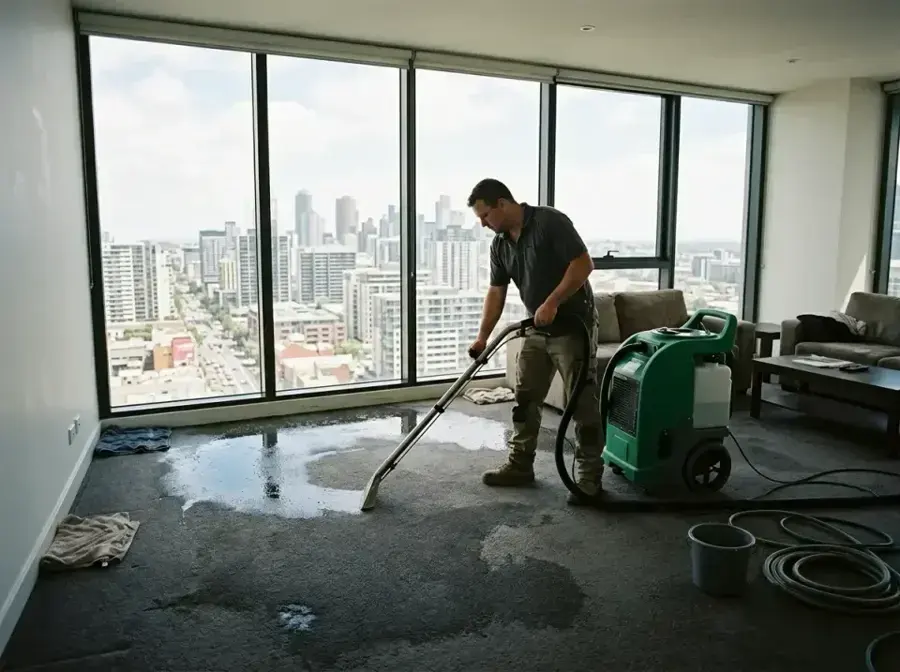
First steps when water is standing on the floor
- 1
Stop the source
Close the main shutoff or the fixture valve. In most South Gate homes the main sits near the front hose bib or at the meter box by the sidewalk.
- 2
Kill wet circuits
If the breaker panel is dry and you can reach it without standing in water, switch off circuits that feed the wet rooms.
- 3
Photograph first
Take wide photos and close-ups of the water line on walls and furniture before anything moves. Those photos anchor the claim.
- 4
Lift what you can
Move rugs, electronics and paper off the floor, and set aluminum foil under furniture legs so stains do not transfer.
How water extraction is handled in South Gate
- 1
Stop and assess
The response team confirms the source is off, checks for electrical hazards and notes the water category.
- 2
Extract
The extraction crew pulls standing water with truck-mounted suction and presses water out of carpet and pad.
- 3
Map moisture
Pinless meters and thermal imaging trace water under baseboards and inside the wall line.
- 4
Set drying
Air movers and LGR dehumidifiers go in where the map says, and readings are logged daily.
What does water extraction cost in South Gate, CA?
In South Gate, CA, water extraction and the drying that follows typically run $600 to $4,500, set mostly by square footage, the water category and whether carpet and pad can be saved.
Single room
- Clean water, caught early
- Carpet dried in place
- Two to three days of equipment
Several rooms
- Water under flooring or baseboards
- Some pad or trim removed
- Daily moisture logs
Whole floor or contaminated
- Gray or black water
- Porous materials removed
- Antimicrobial and containment
The drivers are the water category, the square footage, the material class and how fast drying started. For a planning range, try the water damage cost calculator.
Extraction is the cheapest drying there is. Every gallon the extraction crew pulls out as liquid is a gallon the dehumidifiers never have to pull out of the air, which is why the pump-out comes before any fan goes down. On the slab floors that fill most of South Gate, water that sits for a day slips under laminate and vinyl plank, and on the older raised-floor homes near South Gate Park it drips through the subfloor into the crawl space.
What truck-mounted extraction does that a wet vac cannot
A shop vac lifts the puddle. A truck-mounted unit lifts the puddle and most of what soaked into carpet, pad and the surface of the slab, then sends it out of the house through a hose instead of to the next room. The extraction crew works with:
- Truck-mounted or high-lift portable extractors for standing water
- Weighted extraction tools that press water out of carpet and pad
- Submersible pumps where water sits deeper than a couple of inches, such as a flooded converted garage
- Squeegees and floor tools for tile, concrete and vinyl
Moisture mapping after the pump-out
Once the floor is clear, the tech who does the walkthrough maps moisture with pinless meters and a thermal camera. Water travels sideways under baseboards and up drywall, so the map usually reaches farther than the stain. That map decides where structural drying equipment goes and which materials get pulled, and it becomes day one of the claim file.
When extraction turns into removal
Carpet pad soaked by clean water can often be dried in place if the extraction crew reaches it early. Pad touched by gray or black water comes out, because porous materials touched by Category 3 water get removed, not dried. The same rule covers a backup from the sewer lateral, handled on the sewage backup cleanup side. Storm water that ran in from the street is treated as contaminated too. Guidance on staying safe around flood water is at Ready.gov floods, and the county's storm and flood control work is described by LA County Public Works.
Water still spreading across the floor? Shut the supply if you can, stay clear of outlets near the water, and call (888) 563-9619
Where the water extraction crews work around South Gate
The South Gate restoration crew covers all of ZIP 90280, from Hollydale and the Rio Hondo confluence to the Tweedy Mile and the Firestone Boulevard corridor, plus Lynwood, Cudahy, Huntington Park, Bell Gardens and Downey next door.
See every neighborhood coveredRelated water damage services in South Gate
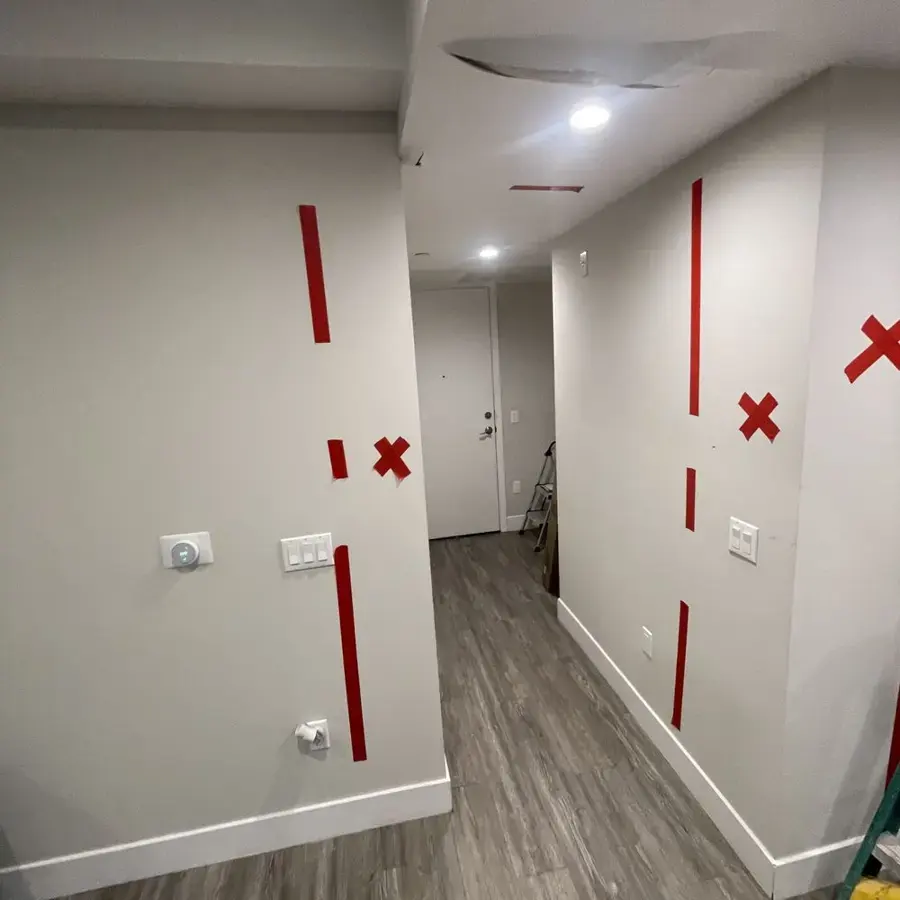 Structural Drying and DehumidificationAir movers and LGR dehumidifiers run until readings hit the drying goal.
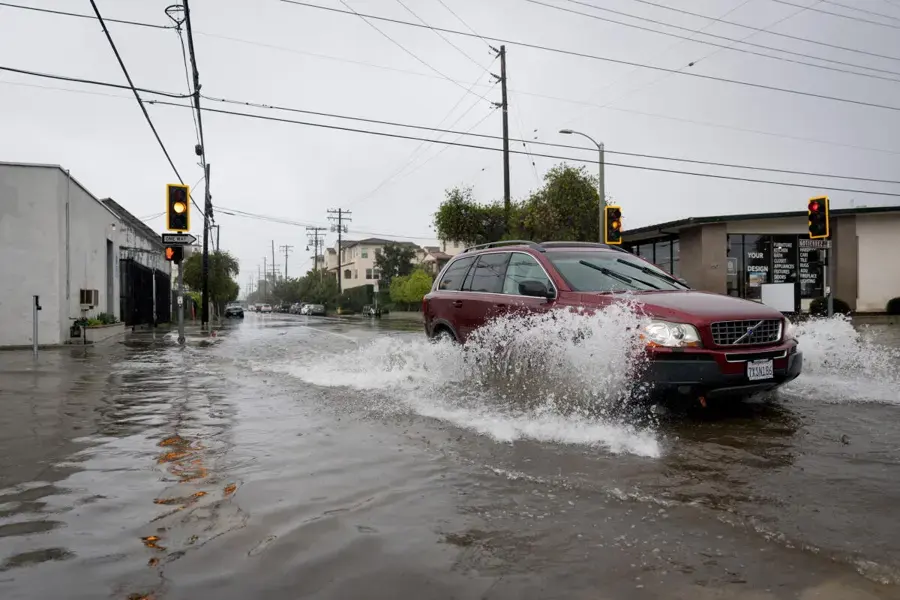 Storm Flood CleanupWinter storm runoff that sheets into living space, pumped out and cleaned.
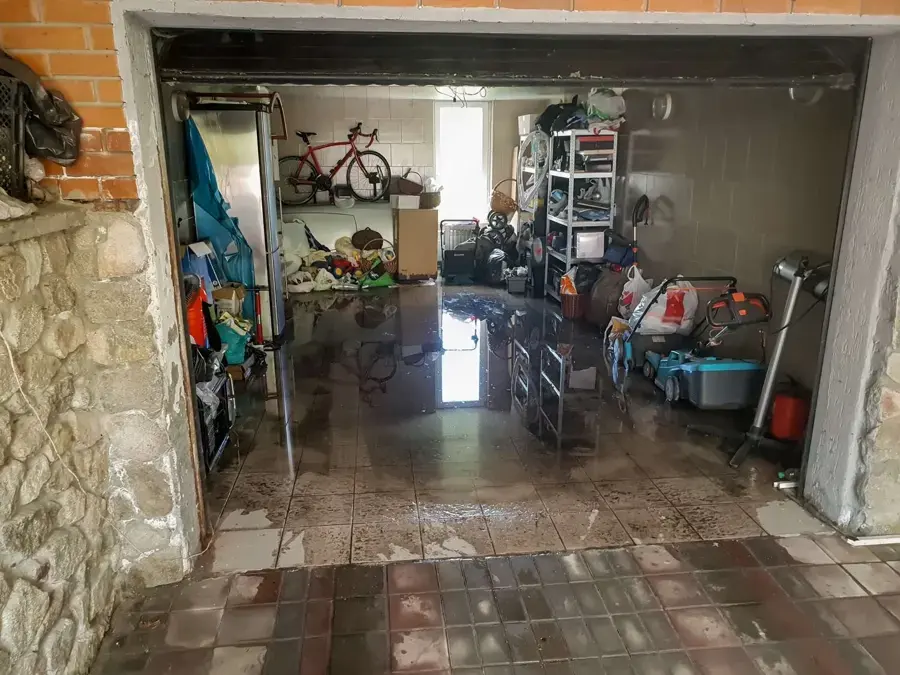 Garage and ADU Flooding CleanupConverted garages and backyard units at grade, dried to a verified reading.
Water extraction questions in South Gate
How soon should extraction start?
As soon as the source is off. Drywall wicks water upward and laminate swells within the first day, and mold can start growing inside 24 to 48 hours, so every hour of standing water adds drying time and material loss.
Can I use a shop vac instead?
A shop vac helps with a small puddle, but it leaves most of the water in the carpet pad and along the wall base. Truck-mounted extraction removes far more, which shortens the drying phase.
Will the carpet have to be replaced?
Not always. Carpet and pad wet with clean water and extracted early can often be dried in place. Pad touched by gray or black water is removed because it cannot be cleaned reliably.
Why is there a moisture map if the floor looks dry?
Water spreads sideways under baseboards and flooring where you cannot see it. The map finds those wet areas so equipment goes where it is needed and nothing is closed up wet.
Does homeowners insurance pay for extraction?
Sudden and accidental water, such as a burst supply pipe, is commonly covered, while flooding from outside falls under flood coverage. Coverage depends on your policy, so it is worth checking with your own insurer.
How long does the equipment stay after extraction?
A contained Class 1 or 2 loss usually dries in three to five days. The equipment leaves on readings, when materials match the dry reference, not on a set date.
Standing water in South Gate? Get it pumped out now.
The extraction crew pulls the water, the drying team sets the equipment, and the readings are logged for your claim file.