Crawl Space Water Removal in South Gate, CA
The 1920s to 1940s bungalows around South Gate Park sit on raised foundations. Water from a leak or a storm drops into the crawl space and stays there. The extraction crew pumps it out and dries the joists and subfloor.
(888) 563-9619Water under the house? Call the crew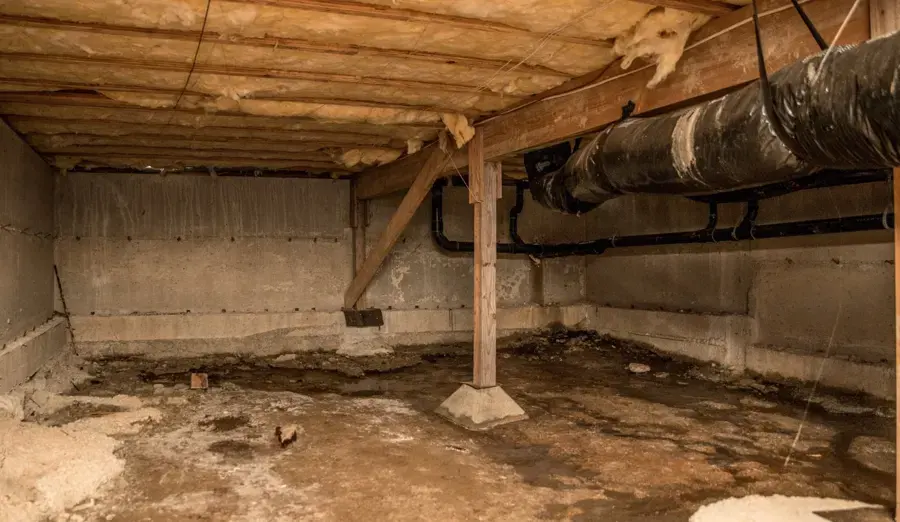
First steps when water gets under the house
- 1
Shut the water
If a pipe under the house is the source, close the main shutoff. A running toilet or drain on the low side is a clue.
- 2
Stay out of the crawl space
Wet soil, sewage and live wiring under a house are a bad mix. Let the crew go in with the right gear.
- 3
Turn off the furnace
If ducts run through the crawl space and may hold water, switch the heat off until they are checked.
- 4
Note the smell and sounds
Dripping, gurgling or a new musty smell helps the crew narrow the source.
How crawl space water removal is handled in South Gate
- 1
Pump
The extraction crew pumps standing water from under the house and clears debris.
- 2
Remove
Wet insulation and damaged duct wrap come out so air reaches the joists.
- 3
Treat
If a drain was the source, framing and soil get cleaned and an EPA-registered antimicrobial.
- 4
Dry and log
Dehumidifiers and air movers run under the floor with daily pin readings on the wood.
What does crawl space water removal cost in South Gate, CA?
In South Gate, CA, crawl space water removal typically runs $1,200 to $6,000, depending on how much water is under the house, whether it was a drain or a supply pipe and how much insulation has to come out.
Small supply leak
- Shallow water, one area
- Little insulation removed
- Dehumidifier drying
Wide wet area
- Standing water across the space
- Insulation removed
- Several days of drying
Drain or sewage
- Category 3 water
- Cleaning and antimicrobial
- Extended monitoring
The drivers are the water category, the square footage, the material class and how fast drying started. For a planning range, try the water damage cost calculator.
South Gate's older blocks, the ones laid out before the post-war tract boom, still hold bungalows on raised foundations with a short crawl space underneath. The supply and drain pipes run through that space, and the soil under it is the lowest point of the house. Water from a broken drain, a failed supply pipe or storm runoff through a foundation vent collects there quietly, and nobody sees it until the floor feels soft, the house smells musty or a heating duct fills with water.
What sits in the crawl space after a leak
- Standing water or saturated soil under the low side of the house
- Wet fiberglass insulation hanging from the joists
- Heating ducts with water inside them
- Subfloor and joists soaking up moisture from below
How the extraction crew works under a raised floor
The crew pumps standing water, then removes wet insulation and debris so air can reach the wood. If the source was a broken drain, the crawl space is treated as Category 3: the soil surface is cleaned where it can be, and the framing gets an EPA-registered antimicrobial. The drying team then closes the vents, runs a dehumidifier into the space and moves air across the joists, checking the wood with pin meters every day until it reaches the drying goal. Water that came up through the floor into rooms follows the structural drying process above it.
Keeping it dry afterward
A drain repair, a vapor barrier on the soil and grading that sends roof water away from the vents keep the space dry. Practical indoor moisture advice is published by the EPA indoor air quality program, and University of California housing research is shared through UC Agriculture and Natural Resources.
Floor feels soft or the house smells damp after a leak? Shut the water off and call (888) 563-9619
Where the crawl space water removal crews work around South Gate
The South Gate restoration crew covers all of ZIP 90280, from Hollydale and the Rio Hondo confluence to the Tweedy Mile and the Firestone Boulevard corridor, plus Lynwood, Cudahy, Huntington Park, Bell Gardens and Downey next door.
See every neighborhood coveredRelated water damage services in South Gate
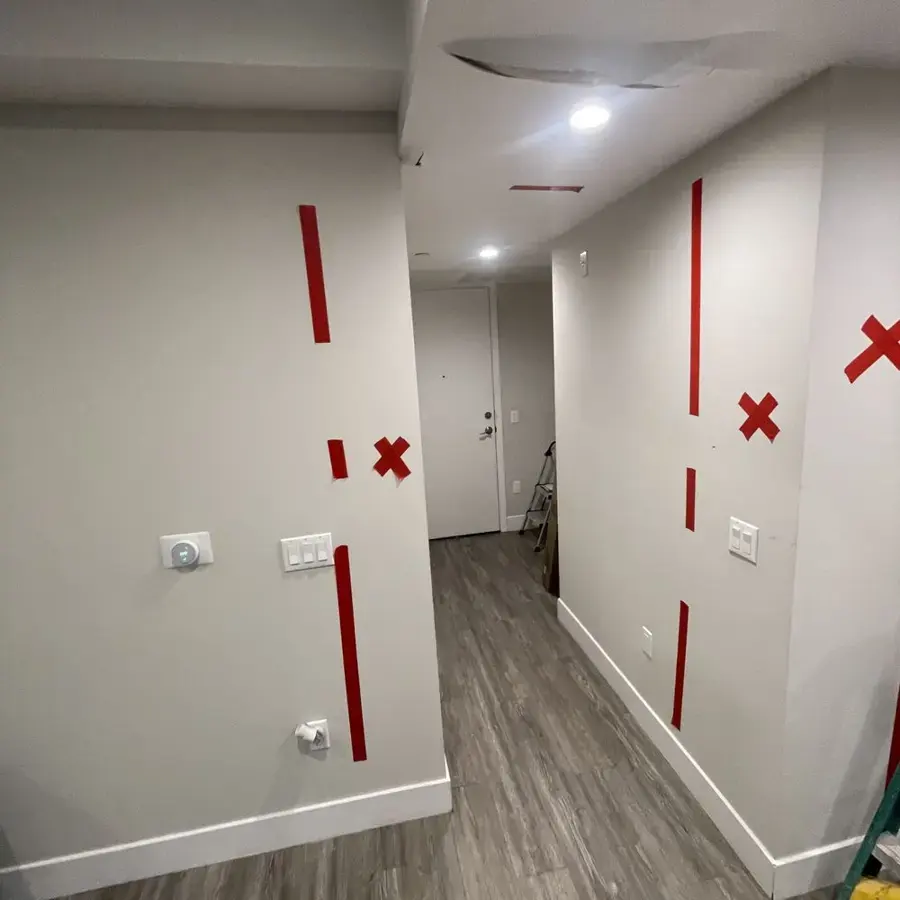 Structural Drying and DehumidificationAir movers and LGR dehumidifiers run until readings hit the drying goal.
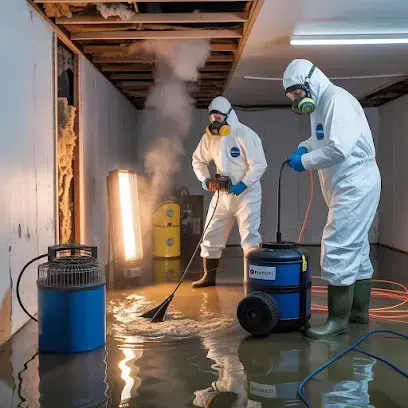 Sewage Backup CleanupCategory 3 backups from aging laterals, contained, removed and disinfected.
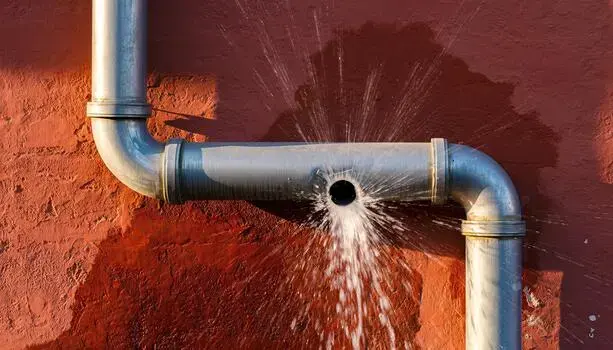 Burst Pipe CleanupSplit galvanized or copper pipe, extracted and dried inside the wall cavity.
Crawl space water removal questions in South Gate
How do I know there is water in my crawl space?
A soft or bouncy floor, a musty smell, higher humidity inside, water dripping sounds, or water inside heating vents are the usual signs.
Does wet insulation under the floor have to come out?
Usually. Wet fiberglass holds water against the joists and subfloor, so it is removed and replaced after the wood is dry.
Can the subfloor be dried or does it need replacing?
Most subfloor and joists dry well if water is removed quickly. Wood that stayed wet for weeks or was soaked by sewage may need replacing.
Is crawl space water covered by insurance?
Water from a sudden pipe break is often covered, while long-term seepage and groundwater often are not. Coverage depends on your policy, so it is worth checking with your own insurer.
How long does a crawl space take to dry?
Three to five days is common once standing water is out and the space is closed up with a dehumidifier running. Wet soil and older wood can take longer.
Why does the house smell after water gets under it?
Wet soil, wet wood and any sewage under the floor release odor into the house through gaps and ducts. Removing the water and drying the wood is what stops it.
Water under a South Gate floor? Get it pumped out.
The extraction crew clears the crawl space, and the drying team dries joists and subfloor to a logged, verified reading.