Slab Leak Water Damage in South Gate, CA
Post-war South Gate homes sit on slabs with copper supply pipe cast underneath. When that pipe pinholes, water spreads under the flooring long before anyone sees it. The drying team finds it and dries it out.
(888) 563-9619Warm spot or wet floor? Call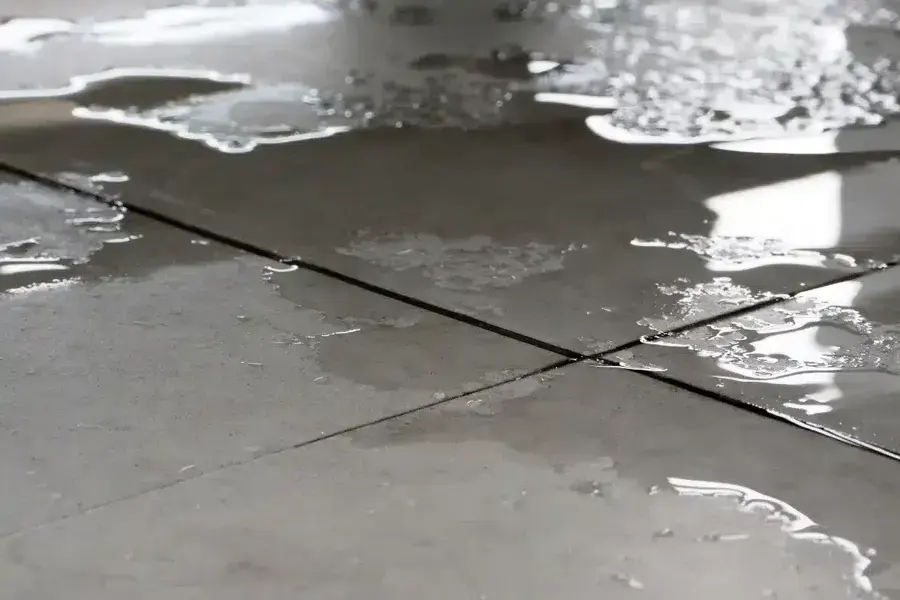
First steps when you suspect a slab leak
- 1
Check the meter
Turn off every fixture and watch the meter. If the leak indicator still spins, water is escaping somewhere.
- 2
Shut the main
Close the main shutoff to stop feeding the leak, and turn off the water heater if the hot side is suspected.
- 3
Mark the damp spots
Tape the edges of warm, wet or lifting areas so the moisture map starts from what you saw.
- 4
Keep receipts
Save the plumber's leak-detection and repair invoice. It belongs in the claim file with the drying logs.
How slab leak water damage is handled in South Gate
- 1
Trace
The tech maps the wet area with thermal imaging and pinless meters after the plumber isolates the leak.
- 2
Open up
Flooring over the wet slab comes up, and walls that wicked water get a flood cut or access holes.
- 3
Dry the slab
The drying team runs LGR or desiccant dehumidifiers and air movers, with mats on dense spots.
- 4
Verify
Daily readings go into the drying log until the slab and walls meet the dry reference.
What does slab leak water damage cost in South Gate, CA?
In South Gate, CA, drying out slab leak water damage typically runs $1,500 to $6,500 on top of the plumbing repair, depending on how much flooring comes up and how long the concrete takes to dry.
Caught early
- One room of flooring
- Minor wall wicking
- Three to four days of drying
Spread under flooring
- Two or three rooms
- Laminate or plank removed
- Desiccant drying on the slab
Long-running leak
- Wide wet slab
- Flood cuts on several walls
- Extended monitoring
The drivers are the water category, the square footage, the material class and how fast drying started. For a planning range, try the water damage cost calculator.
Much of South Gate was built out in the late 1940s and 1950s as slab-on-grade tract housing, with copper supply pipe run through or under the concrete. Decades of pressure, hard water and pipe rubbing against gravel wear pinholes in that copper. A slab leak is quiet: a warm patch on tile, a baseboard that stays damp, a laminate plank that lifts at the seam, or a water bill that jumps with no new use.
How the wet area gets traced
A plumber locates and repairs the pipe. The restoration side traces where the water went, which is usually wider than the leak itself. The tech who does the walkthrough uses:
- Thermal imaging to spot the warm or cool band a hot or cold leak leaves in the floor
- Pinless meters across the floor and along the base of every nearby wall
- Pin readings in baseboard and drywall to see how high the wicking reached
- Readings in a dry room of the same house as the dry reference
Drying a concrete slab
Concrete holds water deep and gives it up slowly, which makes it a Class 4 material in the IICRC S500 sense. Laminate, vinyl plank and carpet over a wet slab usually come up so air can reach the concrete. The drying team then runs LGR dehumidifiers and, on dense concrete or hardwood, desiccant dehumidifiers and drying mats. Walls that wicked water get small access holes or a flood cut so the cavity dries too. A reroute or repair is plumbing work; the structural drying page explains the drying goal in more detail.
Finding it early
A running meter with every fixture off is the simplest home test. The EPA's Fix a Leak Week page walks through checking a water meter for hidden leaks, and the California Department of Insurance explains how water damage claims are handled in the state.
Hearing water run with everything off, or feeling a warm spot on the floor? Shut the main and call (888) 563-9619
Where the slab leak water damage crews work around South Gate
The South Gate restoration crew covers all of ZIP 90280, from Hollydale and the Rio Hondo confluence to the Tweedy Mile and the Firestone Boulevard corridor, plus Lynwood, Cudahy, Huntington Park, Bell Gardens and Downey next door.
See every neighborhood coveredRelated water damage services in South Gate
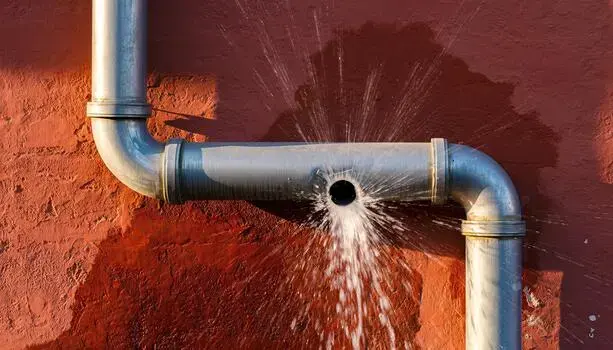 Burst Pipe CleanupSplit galvanized or copper pipe, extracted and dried inside the wall cavity.
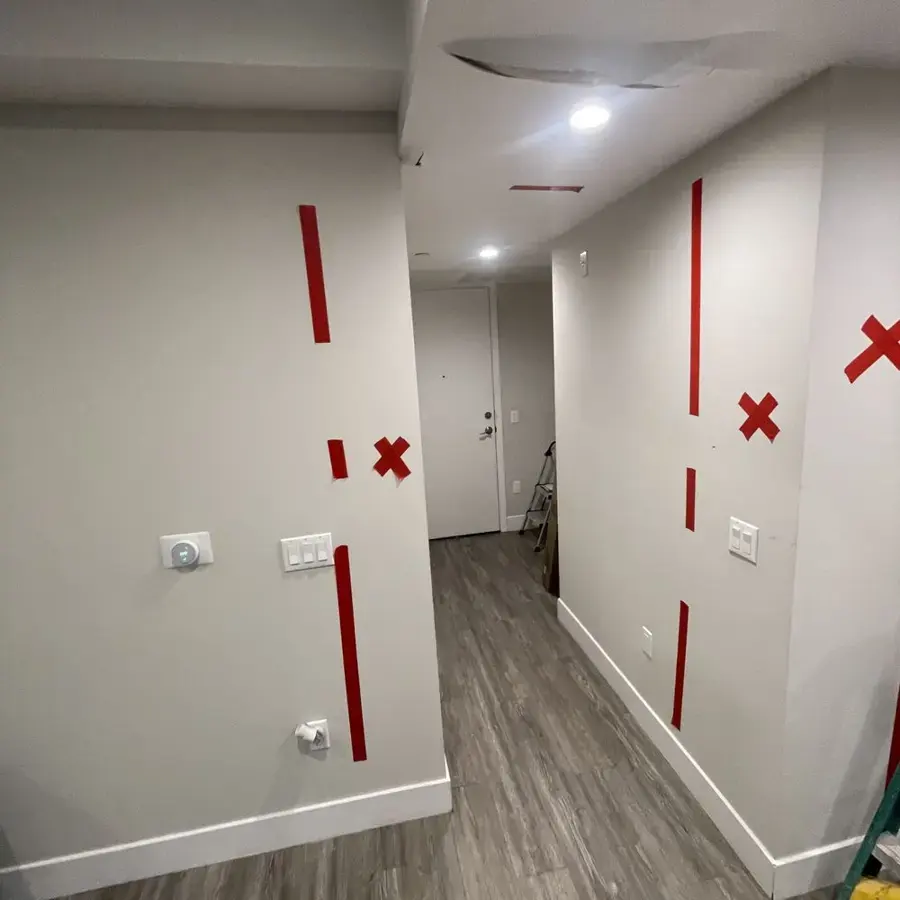 Structural Drying and DehumidificationAir movers and LGR dehumidifiers run until readings hit the drying goal.
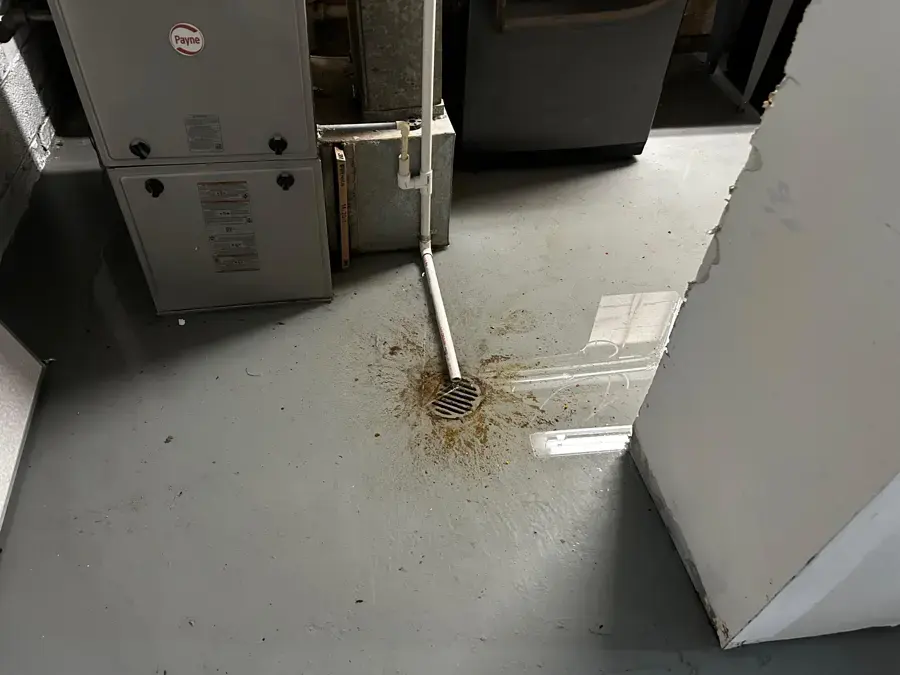 Water Heater Failure CleanupTank and fitting failures in garages and hall closets, cleaned up fast.
Slab leak water damage questions in South Gate
How do I know it is a slab leak and not a spill?
A slab leak shows up with no spill: a warm spot on the floor, a damp baseboard that never dries, lifting planks, the sound of running water or a meter that moves with every fixture off.
Does all the flooring have to come up?
Only over the wet area. The moisture map shows where the slab is wet, and flooring outside that area usually stays.
Why does a slab take so long to dry?
Concrete holds water deep inside and releases it slowly. Dense materials like concrete and hardwood are treated as Class 4 and often need desiccant dehumidifiers and drying mats.
Who fixes the pipe?
A plumber locates and repairs or reroutes the pipe. The restoration work covers tracing the water, removing damaged materials and drying the structure.
Is slab leak damage covered by insurance?
Many policies cover the water damage from a sudden leak and sometimes the cost to access the pipe, but not the pipe itself. Coverage depends on your policy, so it is worth checking with your own insurer.
Can mold start under the flooring?
Yes. Flooring over a wet slab traps moisture, and mold can start inside 24 to 48 hours in warm conditions, which is why wet flooring is lifted rather than left in place.
Slab leak under a South Gate floor? Start the dry-out.
The drying team traces the wet area, lifts what it must and dries the concrete to a verified reading.