Structural Drying and Dehumidification in South Gate, CA
Dry to the touch is not dry. The drying team runs air movers and LGR dehumidifiers until framing, drywall and slab read within a few points of dry material in the same house, and logs every reading.
(888) 563-9619Walls still wet in South Gate? Call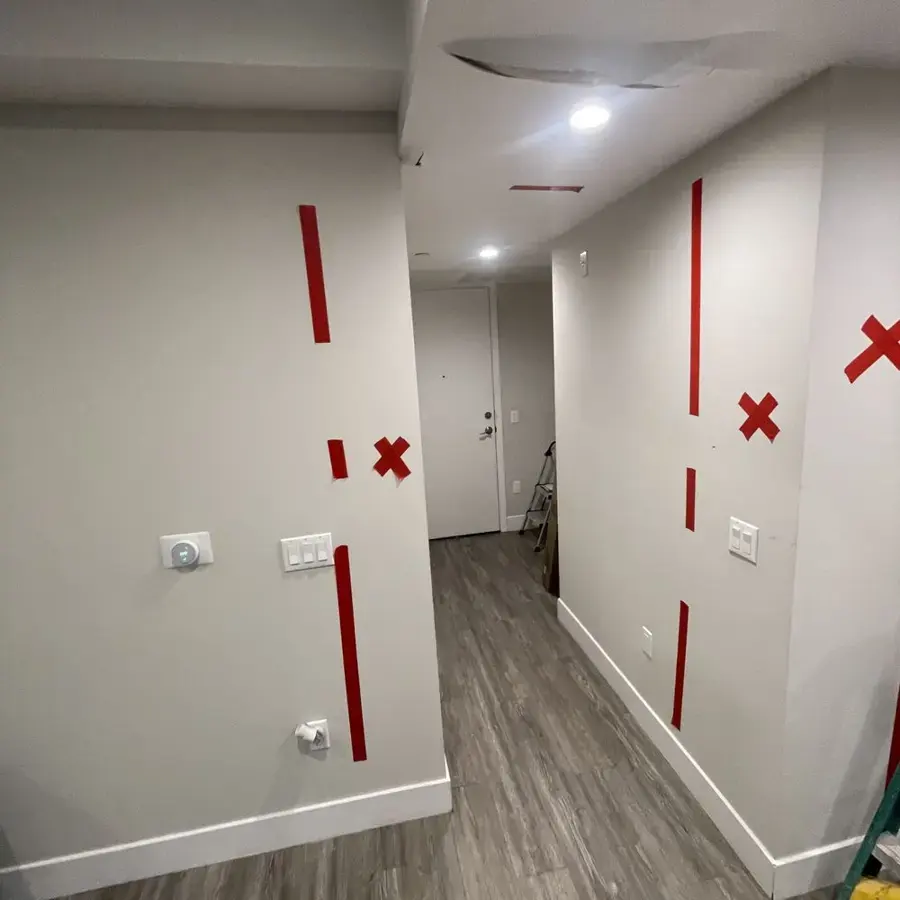
First steps while the structure is drying
- 1
Do not close anything up
No new paint, baseboard or flooring over a wet area until readings say it is dry.
- 2
Keep the equipment running
Air movers and dehumidifiers work around the clock. Turning them off at night adds days.
- 3
Keep doors and windows as set
The drying team sets up a closed drying chamber. Opening windows can pull humid outside air in.
- 4
Empty or check the drain
If a dehumidifier drains to a bucket or sink, keep an eye on it so it does not shut off.
How structural drying is handled in South Gate
- 1
Map
The tech maps moisture and marks reading points on every wet wall and floor.
- 2
Set equipment
Air movers and dehumidifiers go in at counts set by the class of loss.
- 3
Log daily
Temperature, humidity, grains per pound and material readings are recorded every day.
- 4
Verify and pull
Equipment comes out when the marked points match the dry reference.
What does structural drying cost in South Gate, CA?
In South Gate, CA, structural drying typically runs $800 to $5,000, set by the class of loss, the number of air movers and dehumidifiers and how many days the materials take to reach the drying goal.
Class 1 or 2
- One or two rooms
- A few air movers, one LGR
- Three to four days
Class 3
- Ceilings and walls wet
- More equipment
- Four to five days
Class 4
- Slab or hardwood
- Desiccant dehumidifiers and mats
- Longer monitoring
The drivers are the water category, the square footage, the material class and how fast drying started. For a planning range, try the water damage cost calculator.
Structural drying is the part of a water loss you cannot see working. After extraction, water stays inside drywall, framing, flooring and concrete. The drying team's job is to move that water out of the materials and into the air, then out of the air and down a drain, until every wet material reads close to a dry version of itself.
How the drying plan is set
The plan comes from the moisture map and the class of loss. Class 1 through 4 sets how much equipment a room needs:
- Class 1: a small area, low-porosity materials, little evaporation load
- Class 2: a whole room with carpet and walls wet up to about 24 inches
- Class 3: water from above, wet ceilings, walls, insulation and flooring
- Class 4: dense materials that hold water deep, such as concrete, hardwood and plaster
Air movers are placed along the wet walls to keep air moving across the surface. LGR (low grain refrigerant) dehumidifiers pull the moisture back out of the air, and desiccant dehumidifiers handle the dense Class 4 materials that South Gate's slabs are made of.
Readings, not calendar days
Every day the drying team records temperature, relative humidity and grains per pound in the room and outside, plus moisture readings at marked spots. Equipment stays until the readings say dry, meaning within 2 to 4 points of a dry reference material in an unaffected part of the house. A contained Class 1 or 2 loss usually dries in three to five days; slab and hardwood take longer. That log is the core of the claim file, together with the photos from water extraction day.
Why it matters in South Gate
Slab homes hold water in the concrete, and raised-floor bungalows hold it in the subfloor and joists, which is why crawl space drying is part of the job on the older blocks. Indoor humidity guidance is published by the EPA indoor air quality program, and UC research on building moisture is shared through UC Agriculture and Natural Resources.
Walls or floors still feel damp days after a leak? Have them checked with a meter before anything gets closed up, and call (888) 563-9619
Where the structural drying crews work around South Gate
The South Gate restoration crew covers all of ZIP 90280, from Hollydale and the Rio Hondo confluence to the Tweedy Mile and the Firestone Boulevard corridor, plus Lynwood, Cudahy, Huntington Park, Bell Gardens and Downey next door.
See every neighborhood coveredRelated water damage services in South Gate
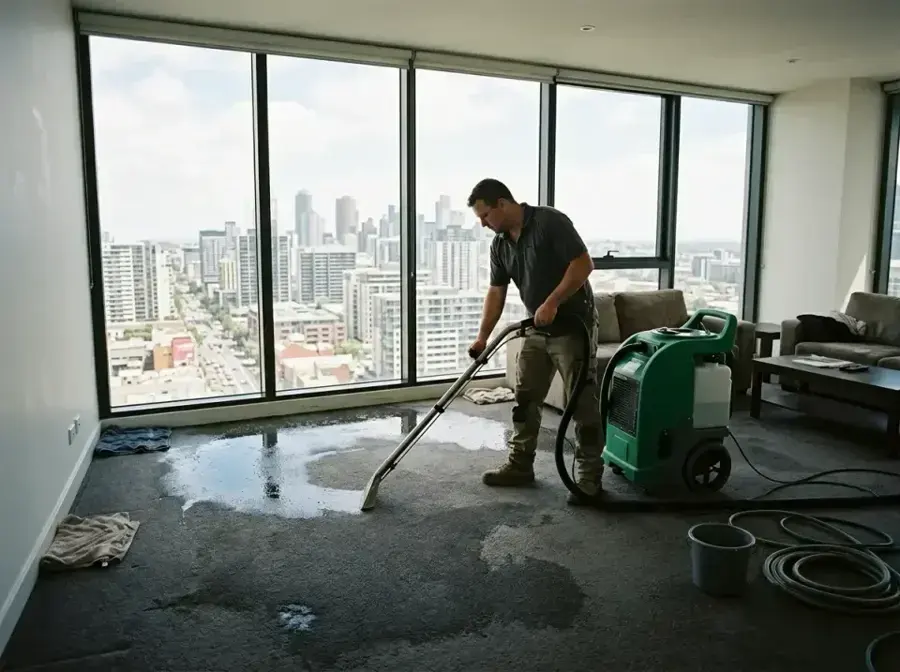 Water Extraction and RemovalTruck-mounted extraction pulls standing water out before it wicks into walls.
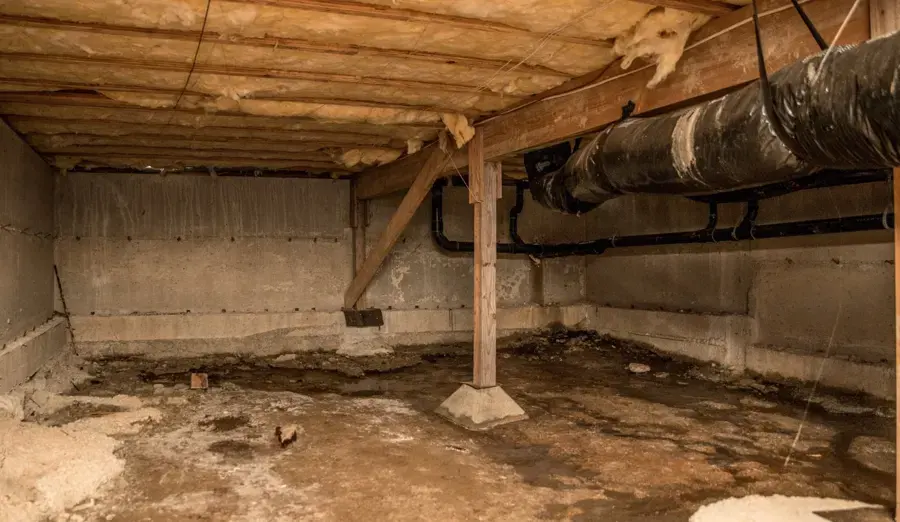 Crawl Space Water RemovalWater under raised-floor bungalows, pumped, dried and kept off the joists.
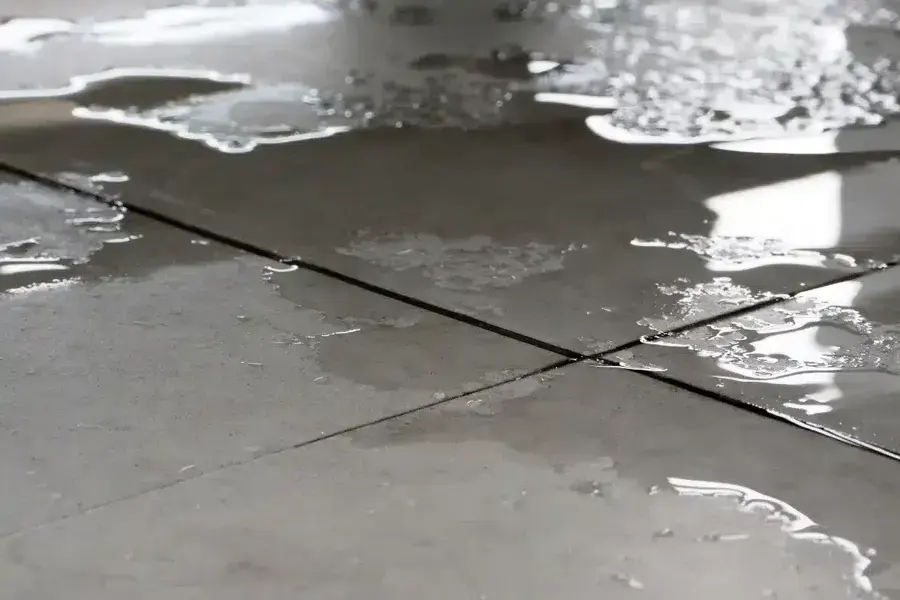 Slab Leak Water DamageHidden leaks under post-war slabs, traced with thermal imaging and dried.
Structural drying questions in South Gate
What does IICRC S500 mean?
IICRC S500 is the industry drying standard for water damage restoration. It sets how water categories and classes are handled and what dry means, measured against a dry reference material.
Why can't I just open windows and run fans?
Fans move surface moisture around, and South Gate's outside air can be humid in winter. Dehumidifiers remove the water from the air so materials keep drying from the inside.
How is dry measured?
With moisture meters at marked spots, compared against the same material in a dry part of the house. Materials within 2 to 4 points of that reference meet the goal.
How long does structural drying take?
A contained Class 1 or 2 loss usually dries in three to five days. Concrete, hardwood and plaster take longer.
Why is the equipment so loud?
Air movers push a lot of air across wet surfaces, which is what speeds evaporation. The drying team places them to limit disruption, but they need to run around the clock.
What happens if a wall is closed up wet?
Moisture trapped behind paint or new drywall can lead to swelling, odor and mold growth inside the cavity. That is why readings decide when work moves to repair.
Need a South Gate home dried the right way? Call now.
The drying team sets equipment by the class of loss and pulls it only when the readings say dry.