Appliance Supply Line Leak Cleanup in South Gate, CA
A rubber washer hose or a plastic ice-maker tube holds full house pressure all day. When it lets go, it floods the laundry room or kitchen fast. The extraction crew pulls the water and dries the cabinets, walls and floor.
(888) 563-9619Hose burst? Call for extraction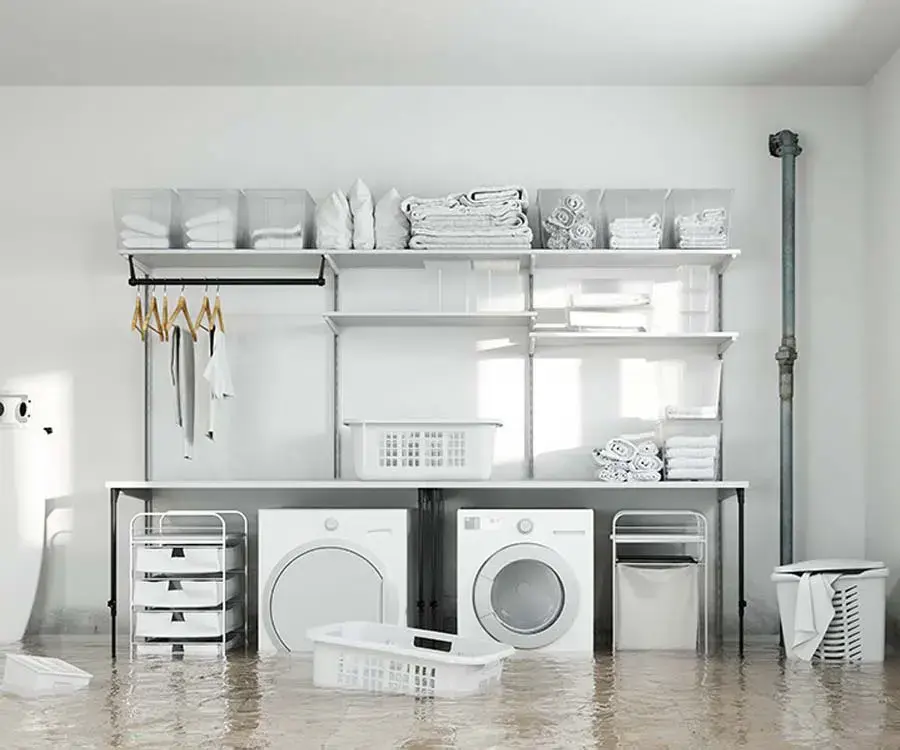
First steps when an appliance hose lets go
- 1
Close the valve
Washer valves sit behind the machine; fridge and dishwasher valves are usually under the sink. Otherwise close the main.
- 2
Unplug safely
Unplug the appliance only if the outlet and the floor in front of it are dry. Otherwise switch off the breaker.
- 3
Pull the toe kicks
If you can, pop off the cabinet toe kicks so the crew can see how far the water went under the cabinets.
- 4
Keep the hose
Save the failed hose or tube. It shows how the failure happened, which the claim may ask about.
How appliance supply line leak cleanup is handled in South Gate
- 1
Extract
The extraction crew pulls standing water from the kitchen or laundry and nearby rooms.
- 2
Open hidden spots
Toe kicks come off, and cabinet bases get small drying holes where water sits underneath.
- 3
Dry
Air movers and an LGR dehumidifier push dry air under cabinets and across the floor.
- 4
Verify
Daily readings are logged until cabinets, walls and floor read dry.
What does appliance supply line leak cleanup cost in South Gate, CA?
In South Gate, CA, appliance supply line leak cleanup typically runs $700 to $4,000, depending on how long the hose ran, whether water got under cabinets and flooring and whether it was clean or washer drain water.
Caught fast
- One room, clean water
- No flooring removed
- Two to three days of drying
Under cabinets
- Toe kicks off, cabinet drying
- Some flooring lifted
- Kitchen and hallway
Slow or hidden leak
- Fridge or dishwasher drip
- Flooring and base removal
- Extended monitoring
The drivers are the water category, the square footage, the material class and how fast drying started. For a planning range, try the water damage cost calculator.
Supply hoses are the plumbing nobody looks at. A washer hose in a South Gate laundry closet or converted garage, a thin plastic tube feeding a refrigerator's ice maker, a dishwasher connection under the sink: each holds full house pressure all day, and each wears out from heat, kinks and age. When one fails, water pours out at full flow until someone closes a valve.
Where appliance water hides
- Under kitchen base cabinets and behind the toe kick
- Beneath the refrigerator, where a slow drip can run for weeks
- Under laminate and vinyl plank in the kitchen and hallway
- Inside the wall behind a washer box
How the cleanup works
The extraction crew pulls standing water, then the drying team removes toe kicks and, where needed, drills small holes in cabinet bottoms to push dry air underneath. Flooring that traps water on the slab comes up. Clean supply water that is caught early is Category 1, but washer drain water carrying detergent and lint is Category 2, which changes what can stay. Readings are logged daily until the cabinets, walls and floor reach the drying goal. A washer on the second floor that leaks through the ceiling below follows the ceiling leak steps, and a flooded laundry space in a converted garage is covered under garage and ADU flooding.
Prevention that works
Braided stainless hoses, a quarter-turn shutoff you can reach, a leak sensor behind the washer and closing the washer valves before a trip do more than anything else. The EPA's Fix a Leak Week page covers finding household leaks, and the California Department of Public Health publishes household water safety information.
Water pouring from behind the washer or fridge? Close the valve behind the appliance or the main, unplug it if the outlet is dry, and call (888) 563-9619
Where the appliance supply line leak cleanup crews work around South Gate
The South Gate restoration crew covers all of ZIP 90280, from Hollydale and the Rio Hondo confluence to the Tweedy Mile and the Firestone Boulevard corridor, plus Lynwood, Cudahy, Huntington Park, Bell Gardens and Downey next door.
See every neighborhood coveredRelated water damage services in South Gate
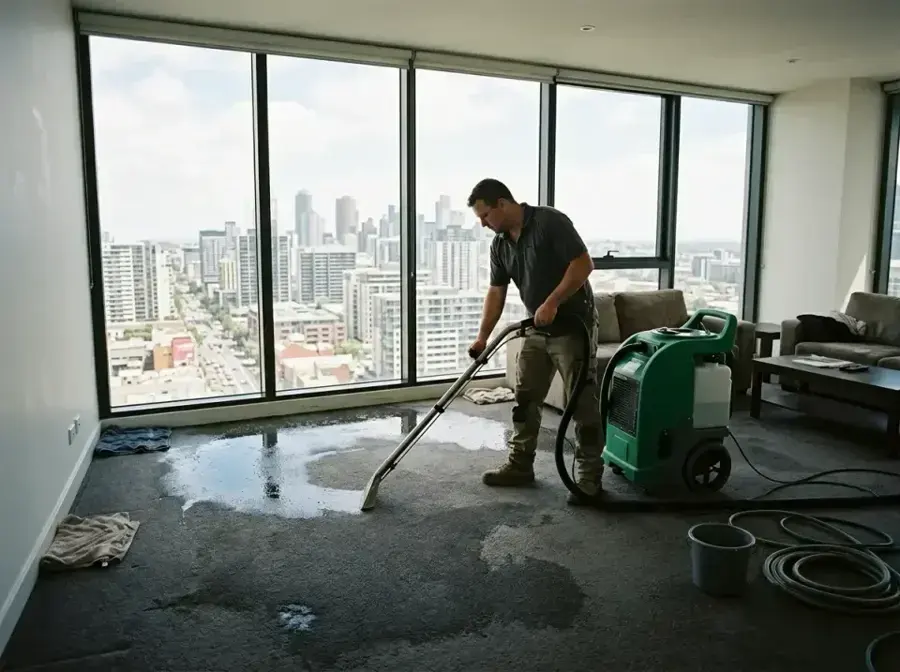 Water Extraction and RemovalTruck-mounted extraction pulls standing water out before it wicks into walls.
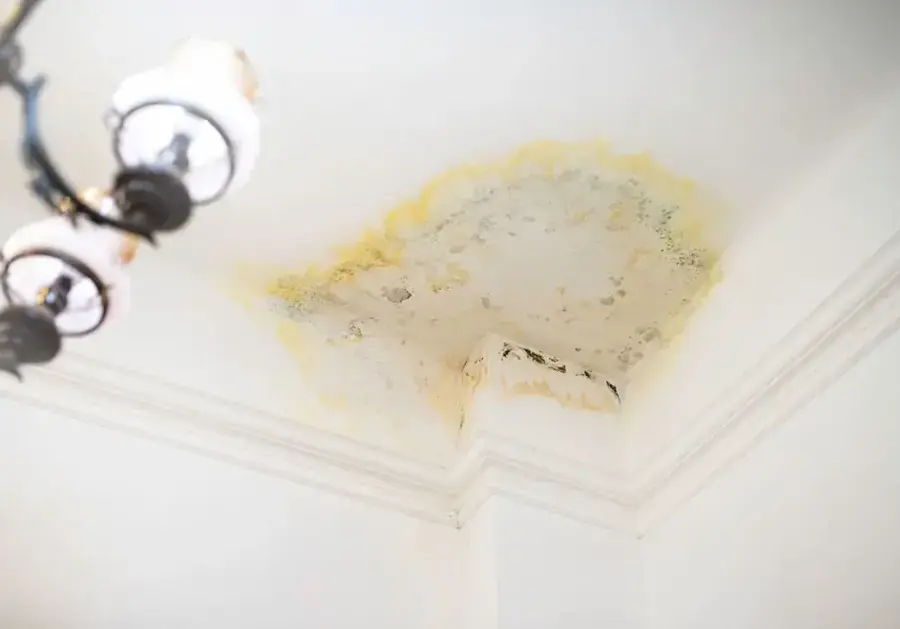 Ceiling Leak Water DamageLeaks from a bathroom or supply pipe above, traced and dried in place.
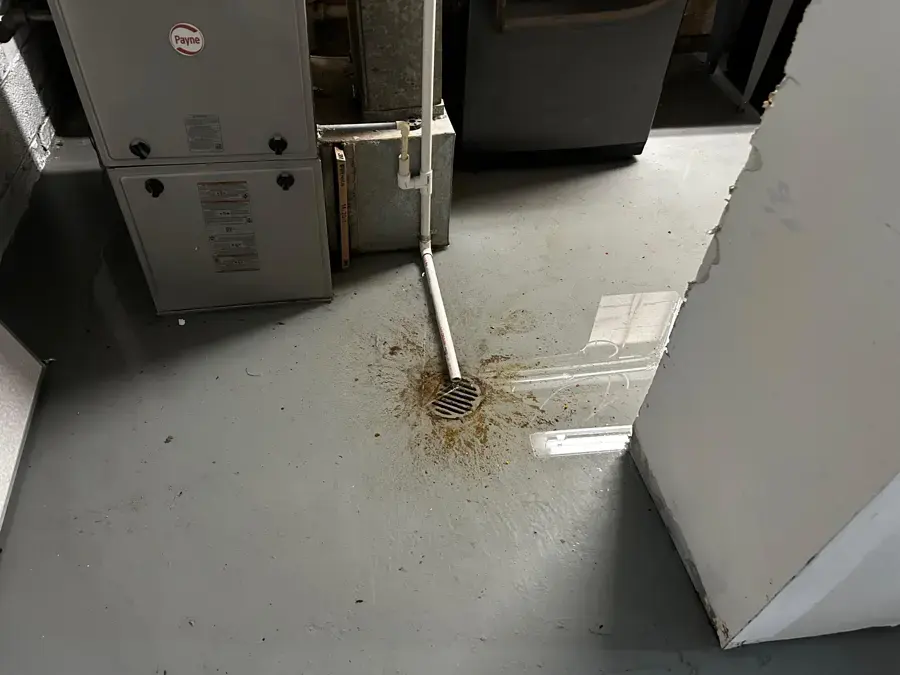 Water Heater Failure CleanupTank and fitting failures in garages and hall closets, cleaned up fast.
Appliance supply line leak cleanup questions in South Gate
How often should washer hoses be replaced?
Rubber hoses are commonly replaced about every five years. Braided stainless hoses last longer, but any hose with bulges or cracks at the ends should be swapped.
Can kitchen cabinets be saved after a leak?
Often, if the water is found early. Removing toe kicks and pushing dry air under the base usually dries them. Swollen particleboard may need replacing.
Why is washer water treated differently?
Water from the washer drain carries detergent, lint and soil, which makes it Category 2. Clean supply hose water starts as Category 1.
What if the fridge leak was slow and went on for weeks?
Slow leaks soak the subfloor or slab and the flooring edges. Flooring usually comes up so the area can dry, and the moisture map shows how far it went.
Is an appliance leak covered by insurance?
A sudden hose failure is commonly covered, while a slow leak that went on for weeks may be treated differently. Coverage depends on your policy, so it is worth checking with your own insurer.
How can I avoid the next appliance flood?
Use braided hoses, add leak sensors, keep the shutoff valves reachable and close the washer valves when you leave for a few days.
Appliance hose flooded the kitchen? Call now.
The extraction crew clears the water, and the drying team dries the cabinets, walls and floor to a logged reading.